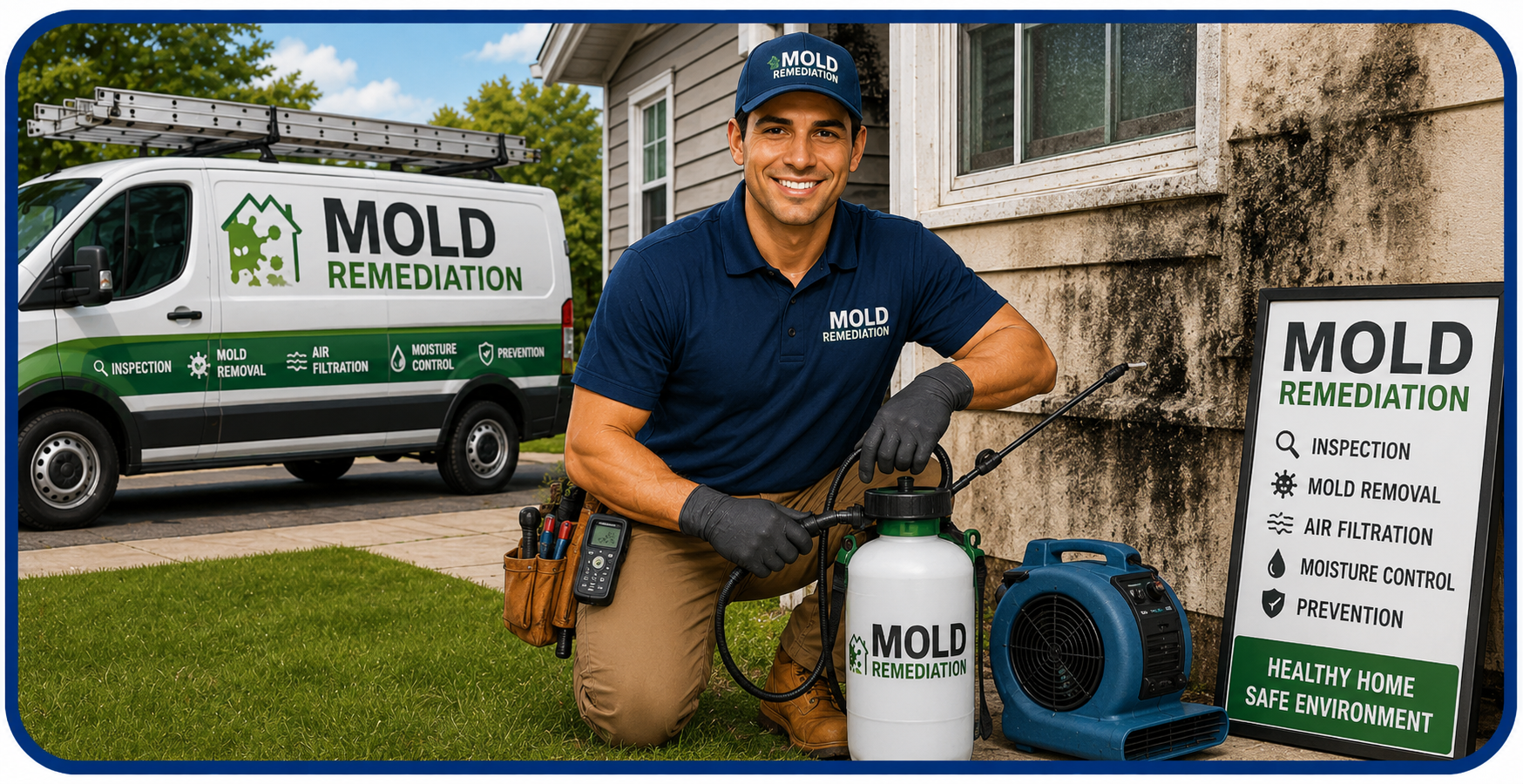
When mold grows inside your HVAC system or ductwork, every time the system runs it distributes mold spores to every room in your Severance home. Surface cleaning alone cannot reach it. Our IICRC-certified team removes mold from air handlers, coil assemblies, drain pans, and duct interiors — and corrects the moisture conditions that put it there.
Your HVAC system is the most effective mold distribution mechanism in your home. When mold colonizes the evaporator coil assembly, the air handler cabinet interior, the drain pan, or the interior lining of supply and return ducts, every heating or cooling cycle aerosolizes and distributes those spores throughout the entire conditioned space. Unlike mold in a single room or a contained area, HVAC mold affects air quality in every room the system serves — which is typically the entire structure. This is why HVAC-source mold is frequently associated with unexplained whole-home indoor air quality symptoms that persist even after other mold sources have been addressed.
The conditions that produce HVAC mold in Severance properties are well understood. Evaporator coils operate at temperatures below the dew point of the return air passing over them, which means condensation forms on the coil surface as a normal part of the cooling process. This condensation is designed to drain through the condensate drain line to the exterior. When the drain pan cracks, the drain line clogs, or the coil develops debris buildup that impairs drainage, standing water accumulates in the drain pan and wets the surrounding air handler cabinet interior — creating exactly the moist, dark, nutrient-rich environment mold requires. In Severance, CO's warm and humid seasonal climate, this process can establish visible mold colonies on the evaporator coil, in the drain pan, and on the air handler's interior insulation within a single season of a drainage problem.
Duct interior mold presents a related but distinct problem. Flexible ductwork in attics and crawl spaces is particularly susceptible — the permeable outer jacket can allow exterior moisture to contact the duct interior in high-humidity conditions, and any leak in the duct seams at collar connections draws in unconditioned, humid air from attic or crawl space environments. Sheet metal duct interiors with degraded interior liner also provide a substrate for mold growth when moisture is present. Identifying whether a duct contamination problem exists, how extensive it is, and whether the contamination warrants remediation versus replacement requires a systematic assessment by technicians familiar with duct system inspection — not simply a camera peek at the first accessible register.
Our HVAC and air duct mold remediation process addresses the full scope of the problem: we inspect the system end-to-end, identify every component with active contamination, address the moisture source causing it, remediate or replace contaminated components, and test air quality post-remediation to confirm that spore levels throughout the home have returned to acceptable baseline conditions. For Severance homeowners dealing with persistent whole-home indoor air quality issues, this comprehensive approach to the HVAC system is frequently the key that other approaches have missed.
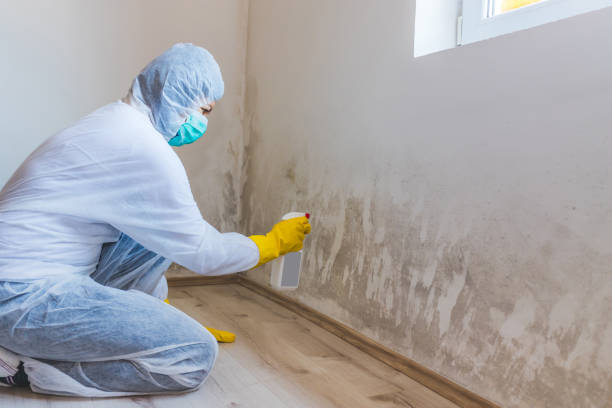
Complete HVAC mold remediation from air handler and coil inspection through duct interior treatment and post-remediation air quality verification.
A certified technician inspects every component of the HVAC system for mold contamination: air handler cabinet, evaporator coil surfaces, drain pan, supply and return plenums, flex duct connections, and accessible duct runs. Findings are documented photographically and summarized in a written assessment with recommended scope before any work begins.
The evaporator coil assembly and air handler cabinet interior are among the most common locations for HVAC mold in Severance, CO. We clean and treat the coil surfaces with EPA-registered antimicrobial coil cleaners, replace contaminated drain pan liners, treat the air handler interior walls and insulation, and address any drainage or condensate management issues that caused the moisture accumulation.
Contaminated duct interiors are treated by HEPA vacuum removal of surface growth and debris, followed by application of EPA-registered biocide to the duct interior surfaces and, where required, replacement of contaminated flexible duct sections that cannot be adequately cleaned due to material degradation or penetrating contamination.
A clogged or improperly pitched condensate drain line is the most common moisture source for HVAC mold in Severance residential properties. We flush, clear, and verify proper flow through the condensate drain system, replace cracked or deteriorated drain pans, and verify proper drainage before reassembling and returning the system to operation.
Duct leaks in attic or crawl space environments draw in unconditioned humid air that can sustain or regenerate mold inside the duct system. We identify and seal duct leakage at collar connections, register boxes, and longitudinal seams using mastic sealant and where required, replace failed flex duct sections and insulate exterior duct runs to prevent condensation on cold duct surfaces in humid spaces.
Following HVAC mold remediation, air samples collected from each zone of the home confirm that spore levels in the air supply have returned to acceptable levels with the system operating. This clearance testing provides documented proof that the remediation was successful and the system is safe to operate — important both for occupant confidence and for documentation purposes.
From your call to a system-wide clearance test — every step is structured to ensure complete results and no missed contamination.
Reach a certified HVAC mold specialist at +1-844-692-0486 anytime. We dispatch an inspection technician to your Severance property, typically the same day for urgent or emergency situations.
End-to-end HVAC inspection covering the air handler, evaporator coil, drain system, plenums, and accessible ductwork. Written assessment and estimate before any remediation begins.
Contaminated components are treated, moisture sources are corrected, and the system is reassembled and tested. HEPA air scrubbing is maintained throughout all work inside the conditioned space.
Air quality sampling with the HVAC system in operation confirms acceptable spore levels throughout the home. You receive a clearance report and complete project documentation package.
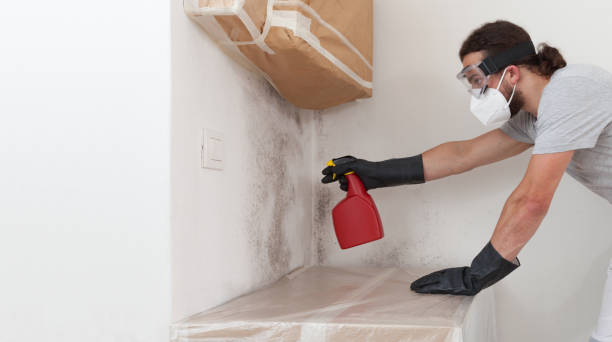
HVAC mold requires a different approach than mold remediation in a visible location like a bathroom or basement. Three specific characteristics make it more difficult and more consequential:
Every HVAC cycle aerosolizes spores from contaminated components and delivers them to every supply register in the system — whole-home exposure with every operating cycle.
Standard HVAC filters are not rated to capture mold spores generated from growth on surfaces within the system. Even MERV 11-13 filters downstream of a contaminated evaporator coil provide limited protection when the source is the coil itself.
Properly assessing and remediating an evaporator coil or plenum requires disassembly and technical knowledge of HVAC system components that general mold contractors typically lack. HVAC-specific remediation training is essential for work in these environments.
We had a mold smell in the house that two other companies could not find the source of. They checked the obvious places — bathroom, basement, under sinks — and found nothing. 911 Mold Removal looked at the HVAC system and found significant mold growth on the evaporator coil and inside the air handler from a clogged condensate drain that had been backing up for an entire cooling season. The smell was completely gone after they remediated the system and fixed the drain. I cannot recommend them highly enough.
Our son has asthma and his symptoms had gotten noticeably worse over several months. We finally had the indoor air quality tested and the results showed elevated Aspergillus and Penicillium levels in all rooms throughout the house. 911 Mold Removal identified the source as the ductwork in our attic — flex duct with leaks pulling in unconditioned attic air and contaminated interior liner. They replaced the failed duct sections, sealed the connections, and the follow-up air test was dramatically better. Our son's symptoms have also improved substantially.
After a roof leak that damaged our attic and some of the ductwork running through it, we had 911 Mold Removal assess the HVAC system as part of the larger mold remediation. They found that two flex duct runs had taken on water and had mold on the interior lining. They replaced those sections as part of the overall project and provided the full air quality clearance we needed for the insurance adjuster. Efficient, knowledgeable crew throughout the entire project.
The most reliable indicator that the HVAC system is the odor source is timing: if the musty smell is strongest immediately after the system starts up and fades when the system is not running, the system itself is the likely source. An odor that is equally strong in all rooms of the house regardless of HVAC operation points more toward a distributed source like multiple areas of mold in the structure, but a whole-home odor that correlates with system operation is the classic signature of HVAC mold. Visible dark staining around supply register openings or on register cover plates is further confirmation. A professional HVAC inspection with air samples collected from the return air stream while the system operates is the definitive way to confirm and quantify HVAC-source contamination.
Running a confirmed mold-contaminated HVAC system continues to distribute spores throughout the home with every cycle. For households with occupants who have asthma, allergies, immune vulnerability, or respiratory conditions, reducing HVAC system use to essential periods until the contamination is addressed is a reasonable precautionary measure. For healthy adults in otherwise low-mold environments, the risk from continued operation while scheduling remediation is lower, but the sooner the system is addressed, the sooner the spore distribution stops. If the weather permits comfortable conditions without the system, reducing operation while remediation is scheduled is a reasonable approach. We can provide specific guidance based on the severity of contamination found during the inspection.
High-MERV filters (MERV 11-16) are effective at capturing airborne mold spores as they pass through the filter media — this can help reduce spore concentrations in circulated air. However, they do not address mold growing on system components, and in some cases they create problems of their own: filters rated above what the air handler's blower motor is designed for increase static pressure in the system, which reduces airflow, can cause condensate drainage problems at the evaporator coil, and potentially accelerates coil freeze and defrost cycles — conditions that can worsen moisture management in the system. High-MERV filtration is a useful supplementary measure alongside proper HVAC maintenance, not a substitute for addressing active mold growth within the system.
The mold species themselves are the same environmental fungi found in any mold-contaminated building material — the same Cladosporium, Aspergillus, Penicillium, and occasionally Stachybotrys species found in wall cavities, basements, and crawl spaces. What makes HVAC mold functionally different is its location in the air distribution system, which means contamination that might otherwise stay localized to one area of the building is instead actively distributed throughout the structure with every cycle. The remediation approach is also different: HVAC components require specific access, technical knowledge of the system, and appropriate cleaning protocols for mechanical components rather than the material removal approach used for contaminated drywall or insulation.
Annual inspection and cleaning of the evaporator coil, condensate drain pan, and drain line is a standard preventive maintenance interval for residential HVAC systems in Severance, CO's climate. The cooling season produces the highest condensation loads and the greatest mold risk period; inspecting the system in late spring before the cooling season begins and confirming the drain system is clear and functioning is an effective preventive approach. Any time you notice a musty odor correlating with system operation, visible growth around registers, or standing water near the air handler unit, those are indications for immediate inspection regardless of when the last maintenance was performed. Properties with a history of HVAC moisture problems or condensate drain issues should be inspected more frequently.
Every HVAC cycle distributes it to every room. Our certified team responds throughout Severance and all of Severance, CO, 24 hours a day, 7 days a week.