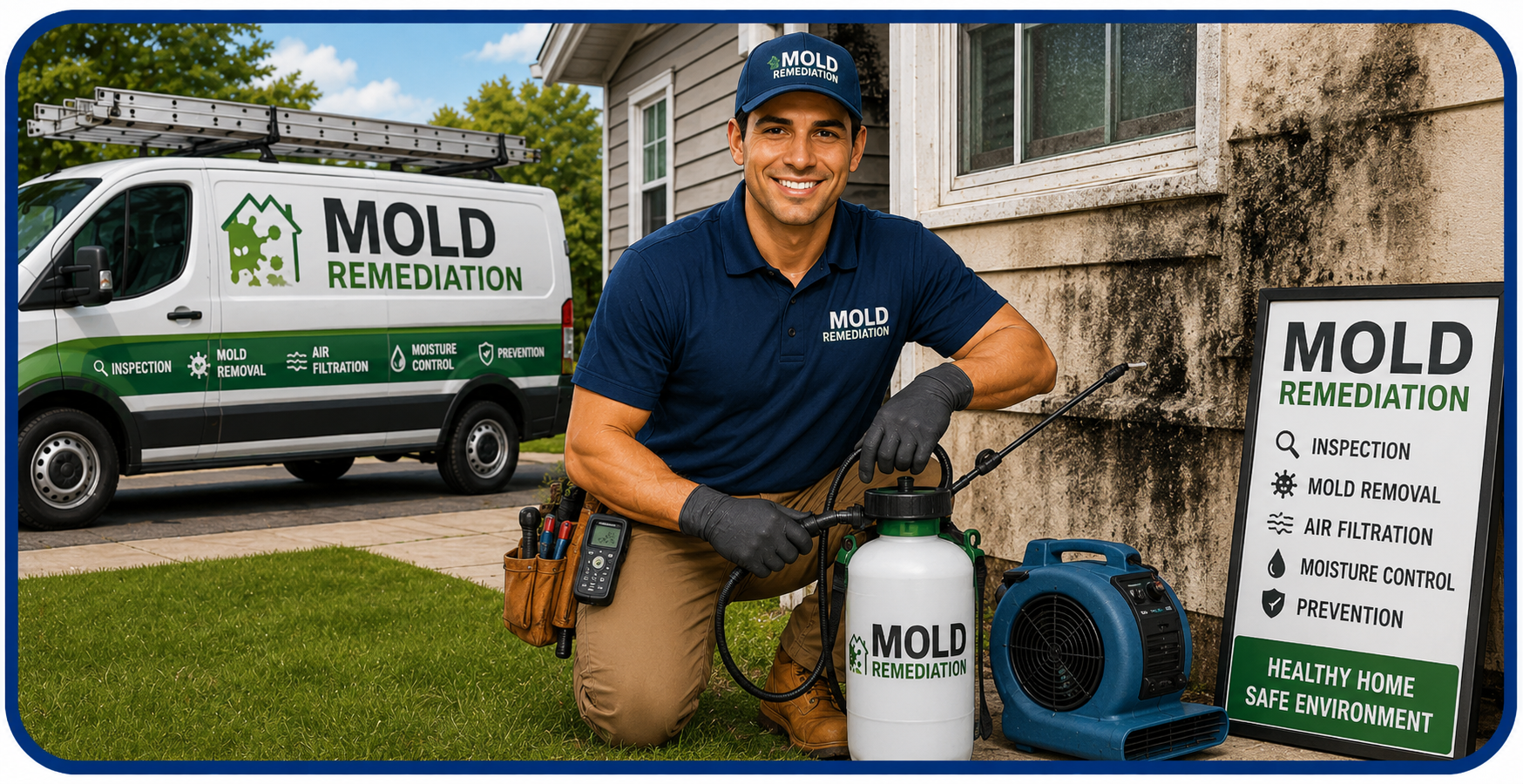
Surface scrubbing does not solve bathroom mold. When mold is inside the wall behind the tile, inside the subfloor under the flooring, or in the ceiling cavity above the shower — it keeps coming back until those surfaces are professionally removed and the moisture pathway is sealed. That is what we do.
Call +1-844-692-0486 — 24/7We use moisture meters and thermal imaging to identify mold in wall cavities and under floor surfaces without unnecessary demolition.
HEPA containment prevents spore migration to the rest of your Willernie home during tile removal, drywall demo, and remediation work.
The tile work, plumbing, or ventilation issue feeding the mold is identified and corrected before restoration begins. No repeat repairs.
From tile removal to new cement board, waterproofing membrane, tile, and fixtures — we restore your bathroom to full use.
Every bathroom in Willernie generates steam and condensation during every shower or bath. That moisture finds its way into wall cavities through failed grout lines, deteriorated caulk, and pinhole tile cracks — and once inside the wall, it contacts organic materials that mold colonizes readily: paper-faced drywall (standard drywall used behind tile in many installations), wood framing, blocking, and subfloor sheathing. In a typical bathroom, the interior of a mold-contaminated tile wall has been accumulating moisture for months or years before the first surface staining or musty odor gives the problem away.
The limitation of surface-only bathroom mold treatments is straightforward: bleach, spray sealants, and tile cleaners address what you can see on the grout or the tile surface. They do not penetrate into the wall cavity where the bulk of the contamination actually exists, and they do nothing to repair the grout failure, caulk gap, or plumbing leak that has been supplying moisture to the wall interior. Surface treatment provides temporary aesthetic improvement but leaves the underlying biology intact and the moisture pathway open — so visible mold returns within weeks to months, and each cycle means additional structural material damage.
Our bathroom mold removal process for Willernie properties begins with moisture detection before any demolition. Using professional-grade moisture meters and thermal imaging, we map the full extent of moisture intrusion behind the tile assembly, under the flooring, and in the ceiling cavity above the bath or shower. This tells us precisely which sections of the wall assembly must be removed versus which can be treated in place, and it prevents both under-removal (leaving contaminated material behind) and over-removal (unnecessary demolition in unaffected areas). The goal is the most targeted, efficient scope that achieves a thoroughly clean, verified result.
After remediation is complete and clearance testing confirms clean air quality, our reconstruction crew installs cement backer board with a waterproofing membrane system rated for wet areas, new tile, and all finish work — restoring the bathroom to full function with a properly water-managed assembly that will not repeat the conditions that produced the original mold problem. For Willernie homeowners dealing with recurrent bathroom mold, this comprehensive process — not another surface treatment — is the permanent solution.
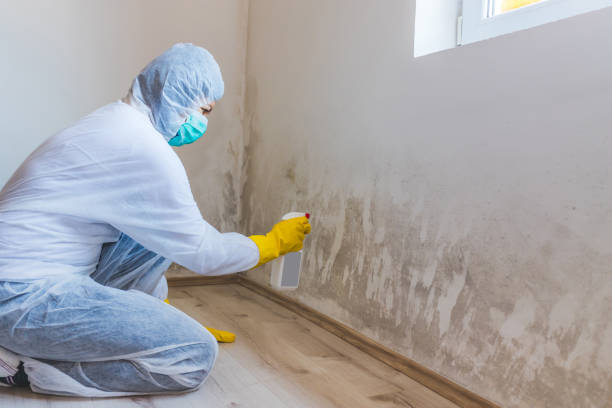
Our bathroom mold removal teams serve Willernie and communities throughout Willernie, MN. Available 24 hours a day, 7 days a week for emergency situations involving significant mold or active water damage.
📞 Call +1-844-692-0486 NowA complete range of bathroom mold remediation services covering every scenario from minor shower grout mold to full bathroom gutting and restoration.
Thermal imaging and moisture meter readings map the full extent of water intrusion and mold colonization in your bathroom — inside the shower walls, under the floor, in the ceiling, and in the adjacent wall cavities that may have been reached by prolonged moisture. You receive a written scope and estimate before any work begins.
We remove mold-contaminated tile, cement board or drywall, and insulation from shower and tub enclosures under HEPA containment. All structural surfaces — studs, blocking, subfloor — are treated with EPA-registered biocide and antimicrobial encapsulant. Only material confirmed contaminated by moisture readings is removed; adjacent dry material is retained.
Bathroom ceiling mold — typically the result of inadequate exhaust ventilation combined with steam condensation — colonizes the paper face and gypsum core of ceiling drywall extensively. We remove contaminated ceiling material, treat the ceiling joists and subfloor above, and address the ventilation deficiency as part of the scope so the ceiling mold does not return.
Slow plumbing leaks inside bathroom wall cavities — supply line seeps, drain connections, shower pan failures — often go undetected for years while continuously supplying moisture to wall materials. We work alongside licensed plumbers to identify the leak source, coordinate the repair, and ensure the wall assembly is fully dry before reconstruction begins. We do not restore over an active moisture source.
Undersized or improperly ducted bathroom exhaust fans are among the most common contributors to bathroom mold in Willernie homes. We evaluate your current ventilation against bathroom square footage and shower usage, identify any duct routing issues sending humid air into the attic rather than outside, and recommend or install properly sized and ducted exhaust solutions as part of the mold remediation scope.
Following clearance testing, our restoration crew rebuilds the bathroom with cement backer board, waterproofing membrane at all wet surfaces and transitions, new tile, grout, and caulk using mold-resistant products. All shower seams, pan-to-wall transitions, and valve penetrations are sealed to current wet-area waterproofing standards to prevent future moisture infiltration into the wall assembly.
Four structured steps from your first call to a restored, verified clean bathroom. No surface patches that fail in three months.
Reach a certified specialist at +1-844-692-0486 24/7. We gather your Willernie property details and dispatch a bathroom mold technician for a moisture and mold assessment, typically the same day.
Thermal imaging and moisture meters locate every wet zone in the bathroom assembly. You receive a written assessment identifying exactly what needs to come out, what can be treated in place, and what is clean.
Contaminated material is removed under containment, surfaces are treated, the leak or ventilation source is addressed, and the space is dried and confirmed ready for reconstruction.
Air quality clearance confirms clean results. Restoration brings your bathroom back to full function with properly waterproofed assemblies rated to prevent the problem from recurring.
We had a grout cleaning company out twice and a handyman who re-caulked the shower twice. The mold always came back within two months. 911 Mold Removal came in, found that the drywall inside the shower wall was saturated from a slow drip behind the valve, removed and replaced everything properly, and we have been mold-free for eighteen months. I wish we had called them first.
Our master bathroom ceiling had a large mold patch that I assumed was from poor ventilation. 911 Mold Removal inspected and found the exhaust fan was ducting directly into the attic instead of outside, and the attic above the bathroom had significant mold growth on the rafters and sheathing. They handled both the bathroom ceiling and the attic in the same project. Thorough and professional throughout.
Bought a house where the seller had painted over obvious mold in the bathroom. Within six months the mold was back and visibly worse. 911 Mold Removal removed the tile, found mold penetrating through the entire depth of the drywall and into the framing behind, and did a proper remediation. The bathroom was rebuilt correctly and looks better than the original. I appreciate that they documented everything for the disclosure file.
Not always, but frequently — especially when it recurs after cleaning. Light mold growth on the grout surface with no surrounding moisture source can sometimes be addressed through thorough cleaning and grout sealing if the underlying substrate is fully dry and intact. But when mold keeps coming back on the same grout lines despite repeated cleaning, when you see black or dark green growth at the base of the wall where it meets the floor, or when the area around the mold feels soft or the tile sounds hollow, these are indicators that water is inside the wall. Professional moisture meter assessment is the only way to determine how deep the moisture has penetrated and whether the wall assembly is contaminated beyond the surface.
The most commonly encountered species in bathroom environments in Willernie, MN include Cladosporium, Aspergillus, and Penicillium — all common environmental molds that colonize moisture-affected organic materials readily. In bathrooms with persistent water damage to wall assemblies and extended moisture exposure, Stachybotrys chartarum (the species commonly called "black mold") can also develop on paper-faced drywall and wood surfaces that have been wet for extended periods. Surface appearance — color, texture — is not a reliable indicator of species; laboratory analysis is required for definitive identification. From a remediation standpoint, all mold in a bathroom wall assembly requires the same approach: physical removal of contaminated material and elimination of the moisture source, regardless of species.
During active bathroom mold remediation, the bathroom is under HEPA containment and is not available for use — typically for one to three days depending on scope. For larger projects involving full shower/tub demolition and reconstruction, the bathroom may be out of service for a week or more through the restoration phase. If your home has only one bathroom, we factor that into project scheduling and can sometimes structure the work to minimize the consecutive out-of-service period. We discuss the realistic timeline and any service interruption at the assessment so you can plan accordingly before committing to a start date.
Coverage depends on the cause of the moisture that produced the mold. Bathroom mold resulting from a sudden covered event — a burst supply line, a sudden pipe failure — is frequently covered under the water damage portion of a homeowner's policy in Willernie, MN. Mold resulting from long-term condensation, slow grout failure, or gradual deterioration of caulk is typically categorized as a maintenance issue and excluded. Mold remediation related to a sudden plumbing failure is often the most clearcut coverage situation. We provide complete documentation of cause, affected areas, scope of work, and results in a format designed to support the insurance claims process, and we work alongside your adjuster throughout the project when a claim is involved.
Four practices consistently prevent bathroom mold recurrence after remediation: running the exhaust fan during and for at least 20 minutes after every shower (fans sized correctly for the space), leaving shower doors open or using a squeegee on glass walls after showering, inspecting and maintaining grout and caulk at all tile seams and tub/shower-to-floor transitions annually, and addressing any dripping fixtures or slow leaks promptly rather than living with them. Upgraded exhaust ventilation — replacing an undersized or improperly ducted fan — is the single highest-impact improvement for bathrooms that have recurrent surface mold despite proper cleaning habits. Our technicians provide specific ventilation recommendations for your bathroom as part of every project.
If the mold keeps coming back after cleaning, it is inside the wall. Our certified team responds throughout Willernie and all of Willernie, MN around the clock.